
Collagen is the foundation of youthful, healthy skin. It provides structure, firmness, and elasticity—but over time, collagen production naturally declines. While aging affects everyone, patients living in Miami, Florida often experience collagen loss earlier and more noticeably due to environmental and lifestyle factors unique to South Florida.
Understanding why collagen breaks down faster in Miami can help you make informed decisions about skincare, sun protection, and preventative treatments.
What Is Collagen and Why Does It Matter?
Collagen is the most abundant protein in the skin, acting as a support framework that keeps skin firm, smooth, and resilient. In our early 20s, collagen production begins to slow by about 1% each year. As levels decline, skin becomes thinner, less elastic, and more prone to wrinkles and volume loss.
When collagen breaks down faster than it can be replaced, visible signs of aging—such as fine lines, sagging, and hollowing—appear sooner.
Sun Exposure Accelerates Collagen Breakdown
One of the biggest contributors to collagen loss in Miami is chronic sun exposure. Ultraviolet (UV) radiation penetrates deep into the skin, damaging collagen fibers and interfering with the skin’s ability to produce new collagen.
In South Florida, UV exposure is not seasonal—it’s year-round. Daily activities like driving, walking outdoors, boating, and beach time all contribute to cumulative sun damage, even on cloudy days. Over time, this leads to premature aging, uneven skin texture, and loss of firmness.
Heat Adds Additional Stress
Miami’s heat and humidity place constant stress on the skin. Heat increases inflammation and oxidative stress, both of which accelerate collagen degradation. Excessive sweating and oil production can also disrupt the skin barrier, making skin more vulnerable to environmental damage.
Lifestyle Factors Play a Role
Miami’s active, outdoor lifestyle is part of its appeal—but it can also contribute to accelerated collagen loss. Frequent sun exposure during exercise, water sports, and social activities adds up over time.
In addition, factors such as inconsistent sunscreen use, smoking, high stress levels, and poor sleep can further impair collagen production. Even diet plays a role, as collagen synthesis depends on adequate nutrients like vitamin C, protein, and antioxidants.
Skin Tone Does Not Mean Immunity
While patients with darker skin tones may have more natural protection against UV damage, no skin type is immune to collagen loss. Chronic sun exposure affects all skin tones and can still lead to volume loss, laxity, and textural changes—even if wrinkles appear later.
In Miami’s intense sun, everyone benefits from proactive skin protection and collagen-preserving strategies.
How to Protect and Support Collagen in Miami
Protecting collagen starts with daily sun protection. Broad-spectrum sunscreen, protective clothing, and mindful sun habits are essential year-round—not just at the beach.
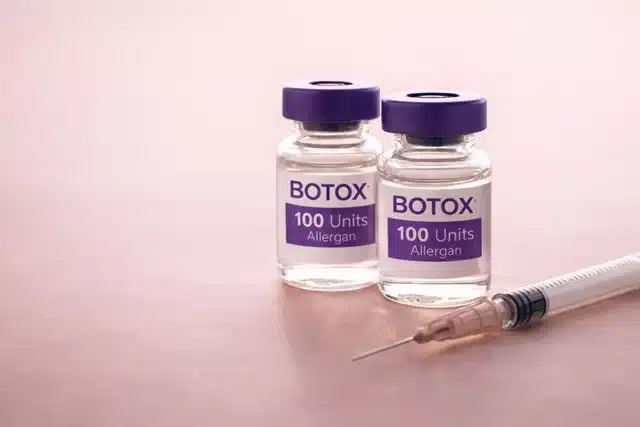
Medical-grade skincare, including retinoids, antioxidants, and growth factors, can help support collagen production at the surface level. In-office treatments such as neuromodulators, energy-based devices, and biostimulatory injectables like Sculptra can further stimulate collagen and slow visible aging.
A Preventative Approach to Aging Well
In Miami, aging gracefully often means being proactive rather than reactive. Addressing collagen loss early—before significant volume loss or skin laxity develops—allows for more subtle, natural-looking results over time.
At Rangel Dermatology, Dr. Lauren Rangel focuses on personalized, preventative care tailored to each patient’s skin, lifestyle, and long-term goals. By understanding how Miami’s environment affects the skin, treatment plans can be designed to preserve structure, enhance skin quality, and maintain a refreshed appearance.
Collagen loss may be inevitable—but how quickly it happens is not. With the right strategy, education, and care, your skin can stay strong, resilient, and healthy for years to come.